Innovative Uses for Old Oil Tanks Beyond Storage
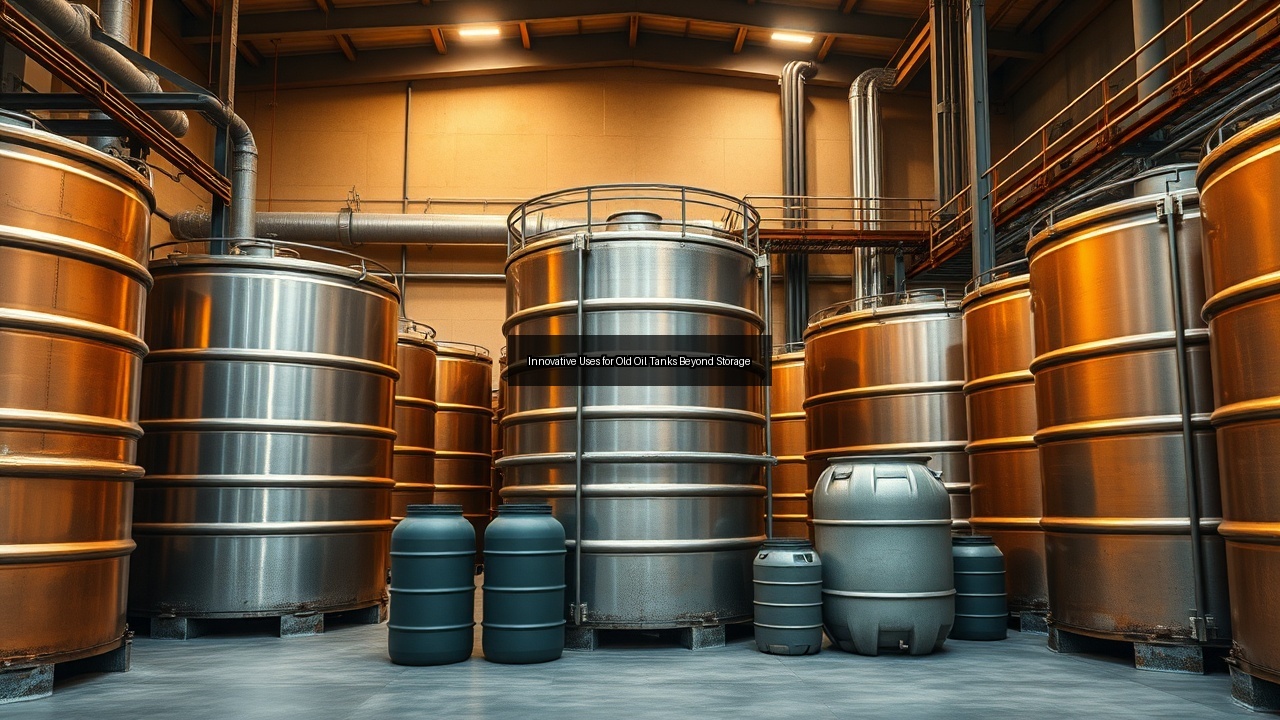
Repurposing Old Oil Tanks: A Sustainable Approach
Transforming Tanks into Rainwater Harvesters
Old oil tanks can find a new life as rainwater harvesting systems. These tanks, often made of durable metal, can hold substantial volumes of water, making them ideal for collecting rain runoff from roofs. By outfitting an oil tank with a proper filtration system and an inlet for rainwater, homeowners can create an efficient rainwater collection system. This approach not only conserves water but also reduces dependency on municipal supplies. A well-maintained rainwater harvesting system can yield thousands of gallons annually, providing a cost-effective and eco-friendly solution for irrigation and outdoor usage.
Creative Uses for Oil Tanks in Gardening
Gardening enthusiasts can repurpose old oil tanks into unique planters or raised beds. With some creativity, these tanks can transform into striking garden features. Cut the tank in half to create two large planters, or leave it intact for a bold, industrial-style raised bed. The metal construction offers excellent drainage and durability, which is vital for healthy plant growth. Additionally, you can paint the tanks in vibrant colors or wrap them with decorative materials to enhance their aesthetic appeal. This innovative use not only gives old oil tanks a second life but also adds character to any garden.
Repurposing for Home Heating Systems
Old oil tanks can be converted into effective home heating systems, especially in regions where heating oil is a primary source of warmth. By modifying the tank and ensuring it meets safety standards, homeowners can repurpose these storage containers to hold oil for heating purposes. This not only extends the life of the tank but also provides a cost-effective solution for heating homes. Proper installation and maintenance are crucial to ensure safety and efficiency. By adopting this approach, homeowners can experience substantial savings while contributing to a more sustainable lifestyle.
Innovative Applications in Industry
Oil Tanks as Lubricant Storage Solutions
In industrial applications, old oil tanks serve as excellent storage solutions for lubricants. The design of these tanks can accommodate large quantities of oil, making them suitable for businesses that rely on bulk lubricant supplies. With modifications, these tanks can be equipped with pumps and dispensing systems, allowing for easy access to lubricants when needed. This repurposing not only saves costs on new storage solutions but also maximizes space efficiency in warehouses and industrial facilities. By integrating old oil tanks into their operations, companies can streamline their lubricant storage while adhering to safety regulations.
Utilizing Tanks for Waste Oil Collection
Old oil tanks also play a critical role in waste oil collection. Industries that generate used oil can repurpose these tanks to safely store and transport waste oil for recycling or disposal. With proper labeling and safety features, these tanks ensure that waste oil is contained securely, preventing spills that could harm the environment. This practice not only supports sustainable waste management but also complies with environmental regulations. Companies can manage their waste more effectively while contributing to a circular economy where oil products are reused rather than discarded.
Gravity Feed Systems for Efficient Oil Dispensing
Transforming old oil tanks into gravity feed systems enhances oil dispensing efficiency in various settings. By positioning the tank at an elevated level, gravity can facilitate the flow of oil into smaller containers, such as drums or quart bottles. This method minimizes the need for pumps, reducing energy consumption and maintenance costs. Industries can quickly refill containers without the hassle of mechanical systems, making operations more efficient. Adopting gravity feed systems not only saves time but also promotes a more sustainable way to manage oil dispensing, especially in workshops and garages.
DIY Projects with Oil Storage Containers
Building Outdoor Furniture from Oil Tanks
Creativity thrives when repurposing old oil tanks into outdoor furniture. With some basic tools and skills, individuals can transform these metal containers into striking benches, tables, or even fire pits. The robust nature of oil tanks makes them ideal for withstanding outdoor oil container conditions. A little sanding, painting, and perhaps upholstery can turn a rusty tank into a chic, modern piece of garden furniture. This DIY approach not only promotes recycling but also allows homeowners to showcase their creativity while adding unique elements to their outdoor spaces.
Crafting Unique Art Installations
Artists and DIY enthusiasts can use old oil tanks as a canvas for innovative art installations. The industrial aesthetic of these tanks provides a unique contrast to natural settings, making them ideal for public art projects or private displays. Artists can paint, decorate, or even incorporate lighting into their designs, transforming the tanks into eye-catching sculptures. This repurposing effort promotes sustainability in art while encouraging viewers to consider the lifecycle of materials. Communities can benefit from these installations, enhancing containers for storing oil public spaces with creative, environmentally friendly art.
Creating Functional Garden Features
Old oil tanks can also be transformed into functional garden features. For instance, they can become water fountains, bird baths, or compost bins. A little ingenuity goes a long way in repurposing these containers to add charm and functionality to the garden. A fountain made from an oil tank can create a soothing ambiance while providing water for birds and wildlife. Similarly, a compost bin helps recycle organic waste, enriching the garden soil. These projects not only enhance the garden's aesthetics but also promote sustainability and biodiversity.
Safety and Environmental Considerations
Proper Cleaning and Decommissioning of Oil Tanks
Before repurposing an old oil tank, proper cleaning and decommissioning are essential. Residual oil can pose safety hazards and environmental risks if not handled correctly. Professionals often recommend flushing tanks with a solvent or cleaning agent to ensure all oil residues are removed. Additionally, local regulations may require specific procedures for decommissioning oil tanks. By following these guidelines, individuals can safely repurpose their tanks while minimizing potential environmental impacts. Proper cleaning ensures that the new uses for these containers align with safety standards and environmental considerations.
Environmental Impact of Repurposed Containers
Repurposing old oil tanks contributes positively to the environment by reducing waste and promoting recycling. Instead of ending up in landfills, these containers can find new purposes that extend their lifespan. However, it’s crucial to assess the environmental implications of any modifications made to the tanks. For instance, using non-toxic paints and materials for decoration ensures that the repurposed tanks do not leach harmful substances back into the environment. By making informed choices, individuals can enhance the sustainability of their projects while minimizing their ecological footprint.
Regulatory Compliance for Reusing Oil Storage Tanks
When repurposing oil storage tanks, regulatory compliance is vital. Local and state regulations often govern the use and repurposing of oil tanks to ensure safety and environmental protection. Individuals should investigate these regulations before starting any project. This may include ensuring the tank meets safety standards, obtaining necessary permits, and adhering to disposal guidelines for hazardous materials. Staying informed about the legal requirements not only safeguards health and safety but also enhances the viability of using oil storage containers in innovative ways.